OpenAI API Platform public evaluation journey — Hovvi
How OpenAI's public developer path combines brand routing, API proof, model-meter context, agent primitives and an explicit account choice.
Published by Hovvi Research. Observed ; materially updated .
What happened
Use a portfolio entry, a product-specific promise, observable capability and pricing context, then make the account choice explicit without treating it as product completion. Let a prospective builder move from brand context to developer-platform promise, model-meter context, agent primitives and an explicit account boundary on public first-party surfaces.
Evidence
Observed facts
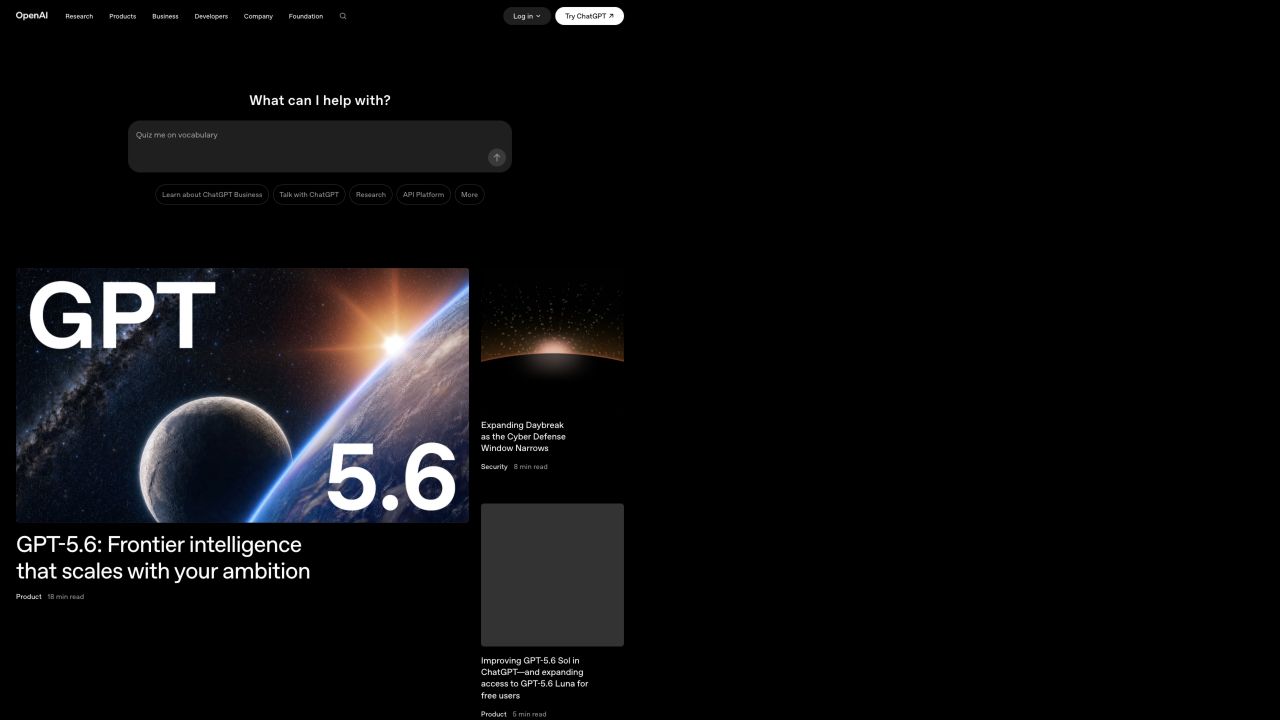
- The English OpenAI home screen presents a general prompt and exposes a public API Platform route alongside global product navigation.
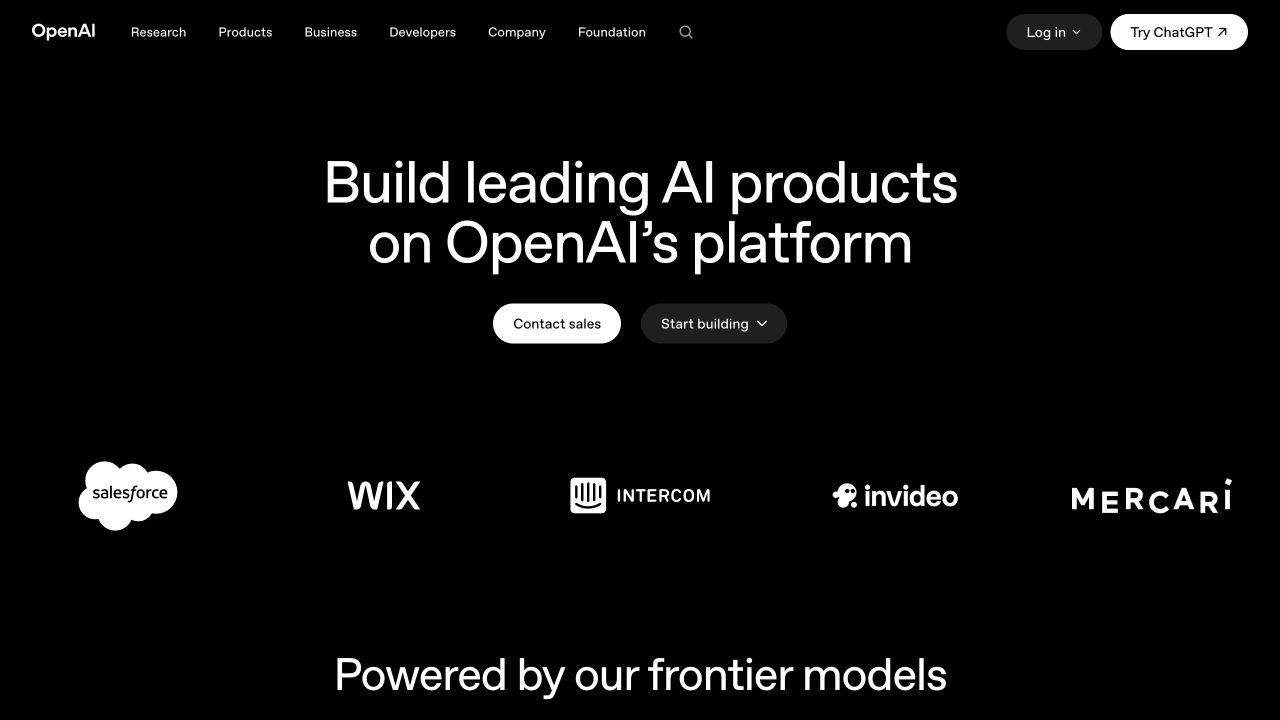
- The English API Platform hero offers both Contact sales and Start building actions before model details.
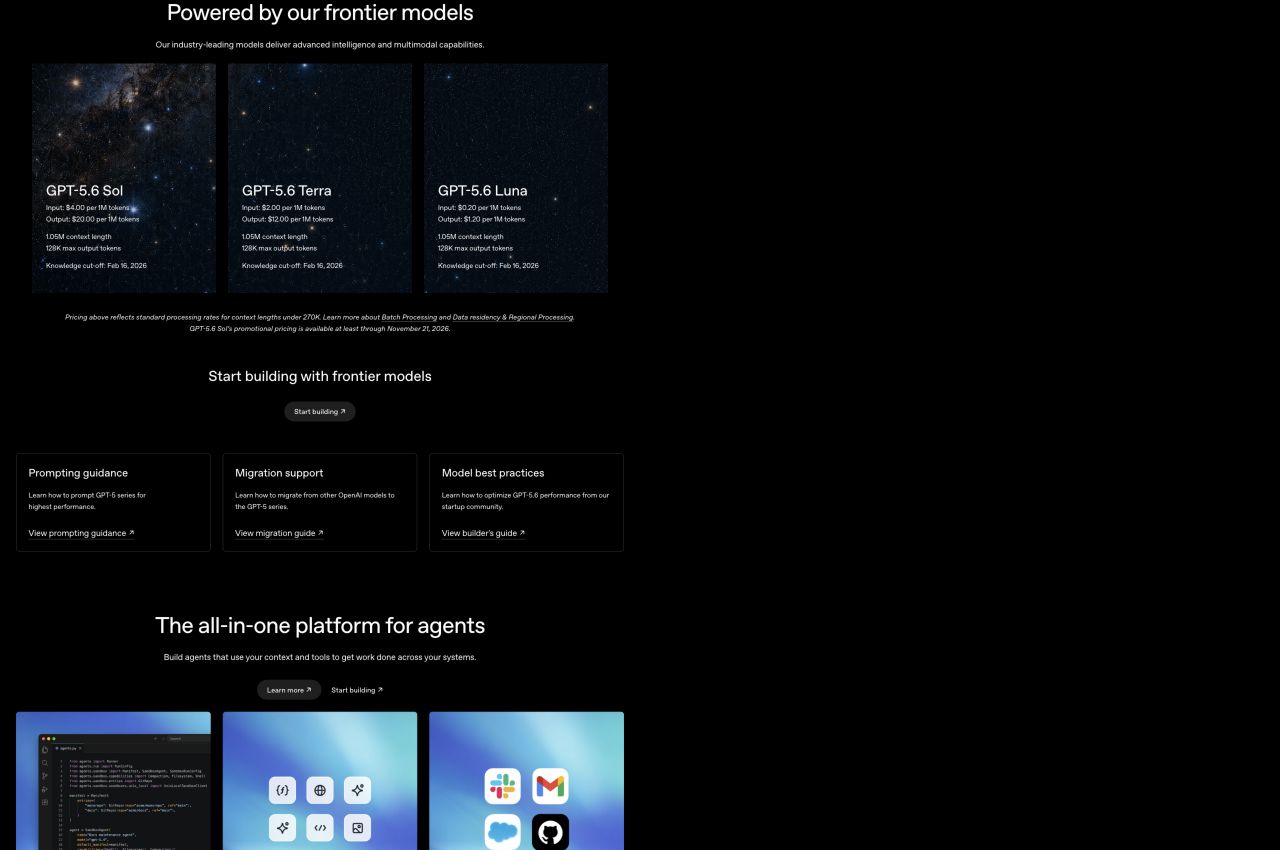
- The observed API Platform model cards distinguish input and output token price units for multiple frontier models.
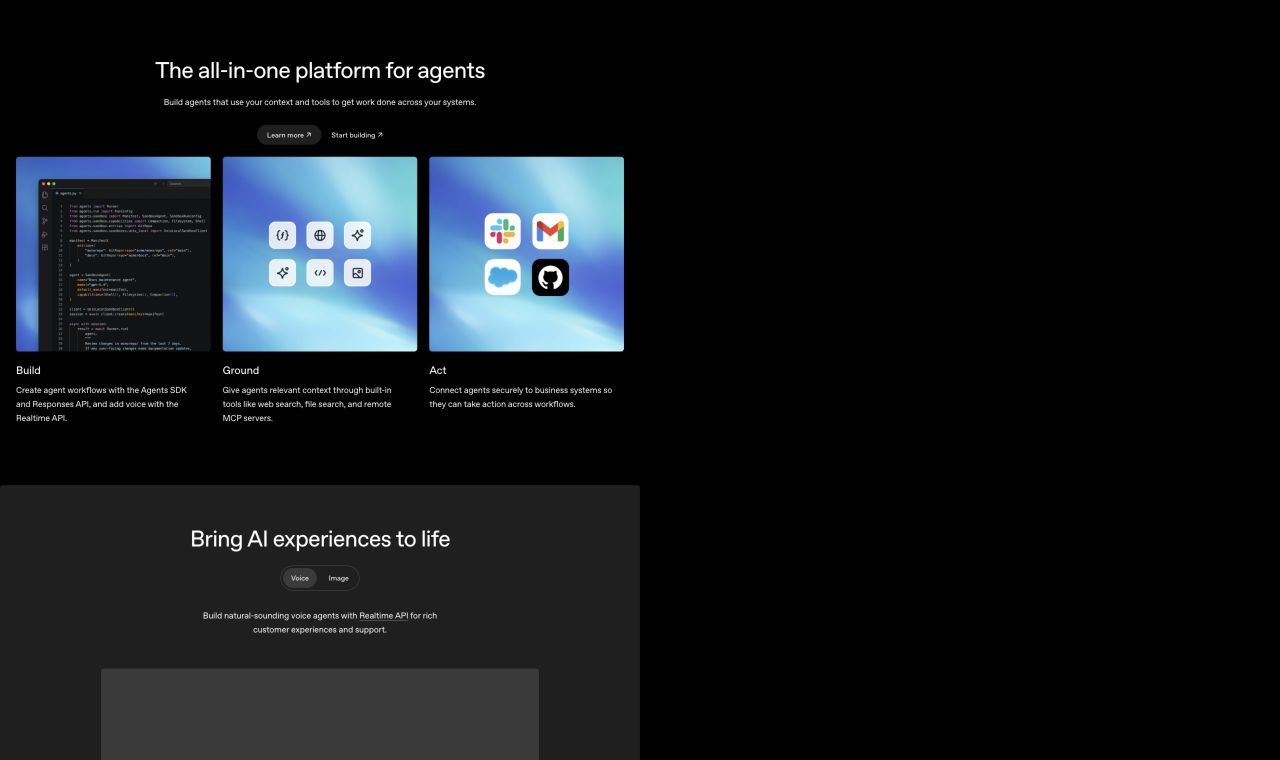
- The API Platform groups agent work into Build, Ground and Act sections, with each section naming public platform primitives or integrations.
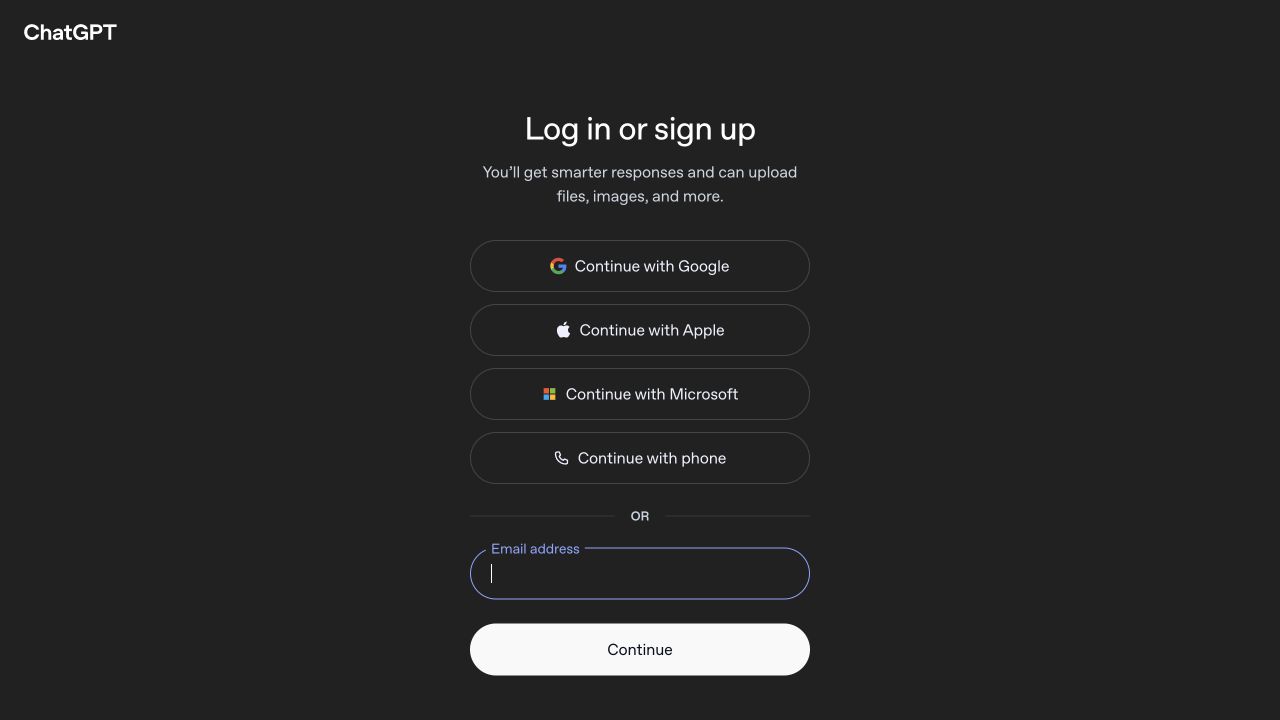
- The public OpenAI account page presents Google, Apple, Microsoft, phone and email choices before continuation; no account data was entered for this observation.
Editorial inference
- A multi-audience AI platform can make its first public evaluation more useful by sequencing audience routing, technical proof and commitment context instead of forcing a visitor directly into one account path.
Product flow
- Brand route
- API Platform entry
- Model-meter context
- Agent primitives
- Account choice boundary
Founder takeaway
Expose the product evidence that changes a builder's decision before asking for identity; preserve the account boundary as a boundary, not evidence of completed activation.
Use when
- A product serves both self-serve builders and sales-assisted buyers
- A technical platform needs public proof before a user can assess whether to start or contact sales
Avoid when
- A small single-purpose product would be slowed by portfolio-level routing
- The public surface omits the operational constraints that determine product fit
Next implementation step
Design a public technical-product evaluation path that gives a founder enough product, cost and trust context to choose a self-serve or sales path before creating an account.
Acceptance criteria
- Every evaluation stage resolves to an English rights-qualified first-party capture
- A visitor can identify API Platform and its public next-step paths before an account boundary
- Model-meter and agent-platform evidence remain visibly distinct
- The account choice is labelled as a boundary rather than successful activation
- Every action and inference retains linked observed evidence
Related cases
- Public proof to usage meter: OpenAI API token-based pricing pattern — Hovvi
The public evaluation journey shows where model-meter context appears, while the token-meter case isolates the counted unit and processing-mode decision.
- Same evaluation arc, different proof: Cloudflare Workers public product evaluation flow — Hovvi
Both public flows move from a broad product promise through product and commitment evidence to an explicit identity boundary; OpenAI uses model and agent evidence while Cloudflare uses product and plan evidence.
- Concrete output versus platform explanation: Figma Community preview-before-duplication pattern — Hovvi
Figma Community evaluates a concrete resource through an interactive preview, while OpenAI evaluates a broad developer platform through model, meter and agent-primitives explanation before the account boundary; the contrast shows when proof should be artifact-first rather than architecture-first.
Version history
Current snapshot: snap_openai_public_evaluation_2026_08_26 — Added a complete English public-evaluation Flow for OpenAI's developer platform and public account boundary. A fixed three-task, blinded-judge diagnostic has now been recorded for this public Flow; it does not claim authenticated API, billing or workspace states.
Use with an Agent
Example read-only MCP query:
Retrieve the Hovvi Founder case fc_openai_public_evaluation_2026_08 with observed facts, evidence screens, applicability limits and citations.